




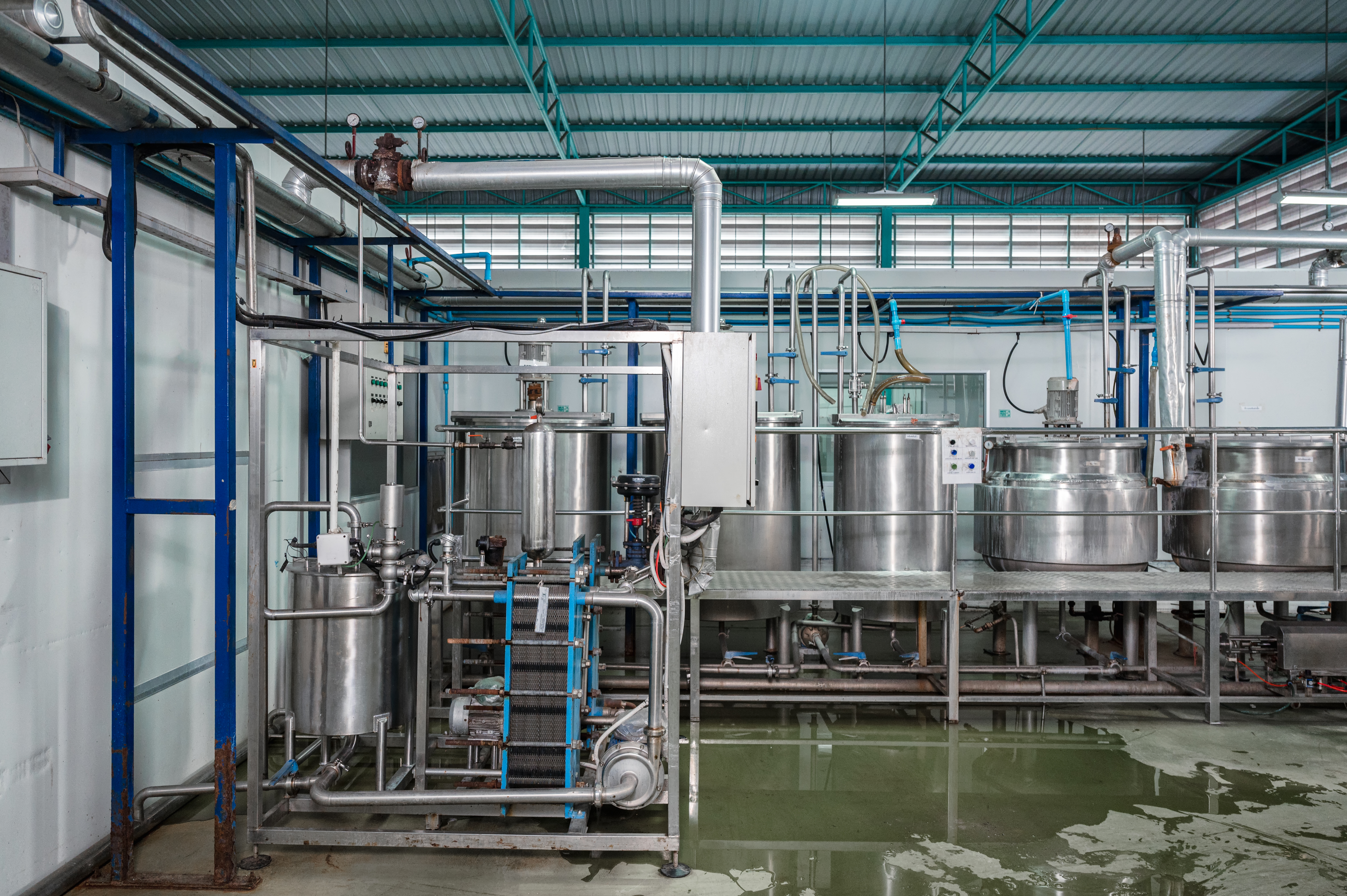
Hygienic pumping systems are designed to help prevent contamination, reduce product residue and support repeatable sanitation routines. In these environments, pump performance is only part of the equation, cleanability, material compatibility and maintenance practicality often drive the final selection.
Why Hygienic Pumping Is Different
Hygienic processes prioritize clean surfaces, drainable flow paths and minimized “trap zones,” because residual product can become a contamination risk over time.
In food and beverage and other hygienic applications, flushing and cleaning are not optional, sanitation is needed to prevent bacterial growth and protect product quality.
Fluids Commonly Handled in Hygienic and Sanitation Systems
Hygienic facilities often pump more than finished product. Many plants regularly move utilities and support fluids such as water, glycol and oils, along with product streams and cleaning solutions.
Because sanitation cycles can involve caustics, acids or other cleaners, material selection must account for both the process fluid and the cleaning chemistry used between runs.
Sanitary AODD Pumps for Transfer, Recirculation and Cleaning
Sanitary AODD pumps are widely used in hygienic environments when configured with right materials and hygienic connections. Wilden® offers sanitary options such as Saniflo™ Hygienic Series (HS) pumps (designed for high-cleanliness and CIP capability) and Saniflo™ FDA Series pumps (designed for standard food applications that do not require HS design or CIP).
In many beverage and shear-sensitive applications, AODD pumps are favored because they can move products gently, helping reduce shear and aeration in transfer steps where product integrity matters.
Sanitary AODD pumps are also common for support tasks such as line flushing, washdown transfer and maintenance duties.
Seal-less Eccentric Disc Pumps for Consistent Flow and Product Recovery
In hygienic applications where consistent flow, strong suction performance and product recovery are priorities, some operations evaluate eccentric disc technology.
PSG’s® Mouvex® hygienic and sanitary solutions highlight benefits such as seal-less design (leak-free operation), CIP/SIP capability and full drainability in certain systems.
Key Pump Selection Factors for Hygienic Applications
Hygienic pump choice typically starts with the cleaning method. If clean-in-place (CIP) or sterilize-in-place (SIP) is needed, prioritize pumps and liquid paths designed for drainability and minimal residue retention.
If clean-out-of-place (COP) or manual cleaning is acceptable, prioritize quick disassembly and validated food-contact materials. Surface finish, sanitary connections, temperature range and chemical compatibility with cleaners all play major roles in long-term reliability.
Maintenance, Cleaning and Downtime Prevention
In hygienic environments, a good pump choice also supports a good maintenance plan. Teams often schedule rebuilding around sanitation windows and keep common wear components available to reduce downtime.
For AODD genuine parts, diaphragms and valve components are common wear items, and stocking the right wet end kits can help restore performance quickly when wear or debris-related issues arise.
Finding the Right Pump and Parts
To narrow options quickly, use the Pump Finder and then confirm materials and hygienic requirements. If you need help selecting a sanitary pump or replacement parts, you can contact the PSG® Store team.
Browse pumps and parts by brand: Shop Wilden® and Shop All-Flo™.
What is the difference between FDA-grade and 3-A rated sanitary pumps?
FDA-grade typically refers to food-contact-safe materials under FDA regulations. 3-A sanitary standards emphasize hygienic design and cleanability to help prevent bacterial growth in food processing equipment. In many CIP-driven environments, 3-A-rated designs are preferred because they help reduce residue retention and support repeatable cleaning outcomes.
When should I prioritize CIP capability?
Prioritize CIP capability when you need to clean the pump and line without frequent disassembly, especially in high-cleanliness processes, frequent changeovers or where sanitation windows are tightly scheduled.
Why is surface finish and drainability so important?
Because trapped residue can become a contamination risk over time. Hygienic designs aim to minimize areas where product can be retained, supporting more effective cleaning and reducing the risk of bacterial growth.
Are AODD pumps used in beverage and hygienic processes?
Yes. Sanitary AODD configurations are commonly used in beverage transfer, recirculation and support tasks where gentle handling and practical maintenance matter, provided materials and connections match the required sanitation standard.

