




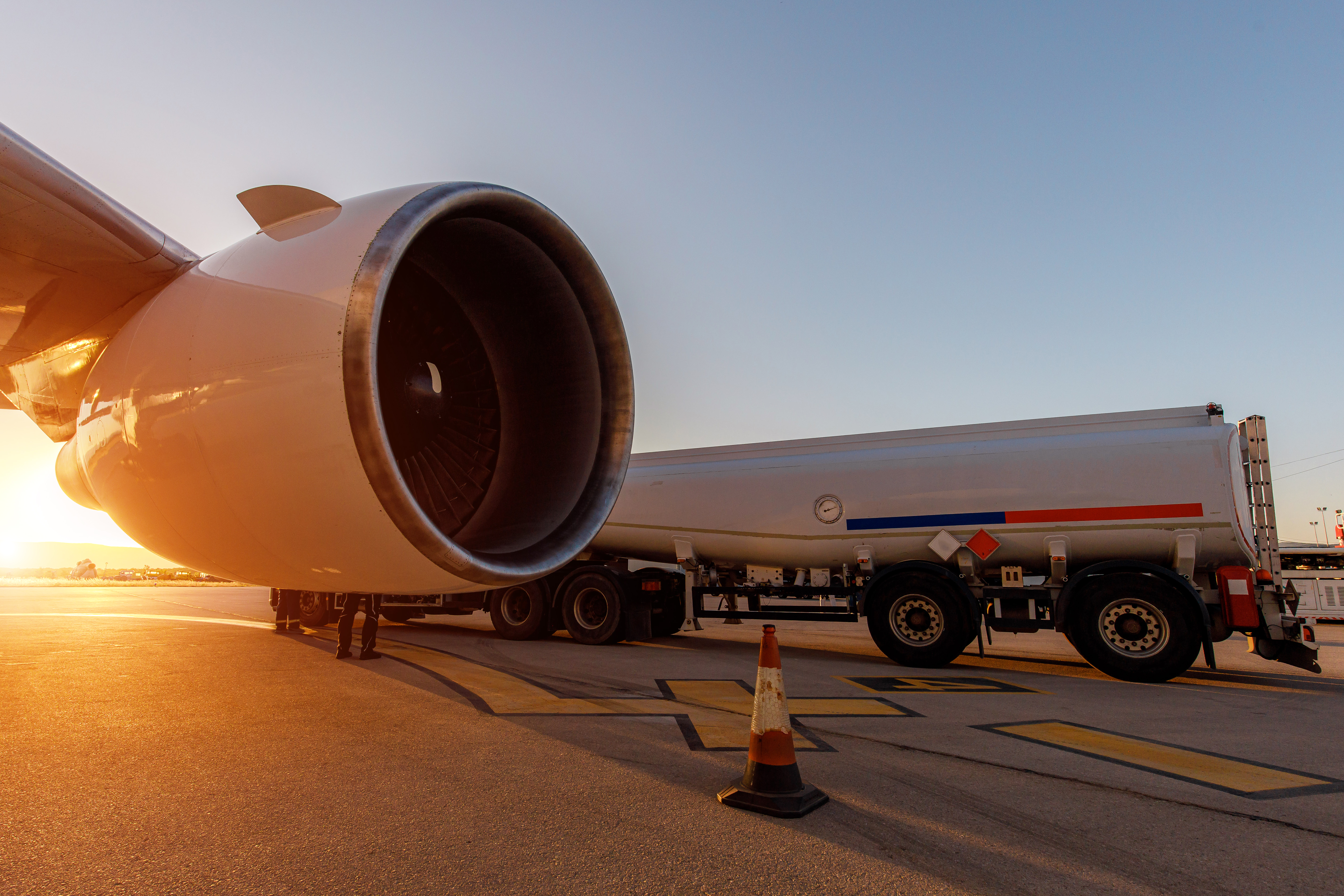
Unlike other pumping markets, aviation fueling demands tight control over flow, pressure, vapor handling and contamination prevention. Fuel quality directly impacts aircraft performance and safety. As a result, pump reliability, material compatibility and system integrity are non-negotiable.
Av gas and jet fuel pumping solutions must be engineered for precision transfer, vapor management and consistent performance under demanding environmental conditions.
Understanding Aviation Fuel Transfer Applications
Aviation fuel systems typically involve multiple transfer stages, including:
- Bulk storage tank unloading
- Terminal transfer
- Filtration and metering
- Fuel truck loading
- Hydrant system distribution
- Aircraft refueling
Each stage places specific demands on the pump system. In practice, bulk storage tank unloading and large-volume terminal circulation often align with centrifugal pumps when suction conditions are favorable; fuel truck loading, hydrant system distribution and aircraft refueling more commonly align with rotary vane pumps because they provide strong suction lift and smooth, metered transfer; and sump evacuation, filter housing draining, contaminated fuel handling and spill recovery are where AODD pumps are most often used as auxiliary or emergency-duty solutions.
Av gas and jet fuel are relatively low-viscosity, volatile hydrocarbons. They require controlled handling to prevent vapor lock, cavitation and fuel degradation.
Engineering Challenges in Aviation Fuel Pumping
Aviation fueling systems operate under strict performance and safety requirements.
Vapor Pressure and Suction Conditions
Jet fuel and aviation gasoline have measurable vapor pressure. If suction conditions are inadequate, fuel can partially vaporize inside the pump, leading to:
- Cavitation
- Loss of prime
- Reduced flow
- Vibration and internal erosion
Proper suction piping design, adequate NPSH and minimized friction losses are essential. Aviation systems cannot tolerate inconsistent flow or pump instability.
Flow Accuracy and Metering
Many aviation fuel systems integrate meters and filtration assemblies downstream of the pump. Stable, predictable flow is critical for accurate metering and custody transfer.
Pumps selected for these systems must deliver smooth performance across a defined operating range without excessive pulsation.
Environmental and Safety Considerations
Aviation fueling environments demand:
- Leak prevention
- Vapor containment
- Spark-resistant components
- Compliance with industry and regulatory standards
Mechanical seal integrity and proper grounding are central to system safety.
Pump Technologies Used in Av Gas and Jet Fuel Systems
Multiple pump technologies are used across aviation fuel transfer operations, depending on the stage of the application.
Rotary Vane Pumps
Blackmer® sliding vane pumps are widely used in aviation fueling applications.
Their strong suction lift capability, high volumetric efficiency and smooth transfer characteristics make them well-suited for fuel loading and transfer.
Advantages include:
- Self-priming capability
- Consistent flow at varying pressures
- Ability to handle vapor-liquid mixtures
- Efficient operation at low viscosity
Rotary vane pumps are commonly used in fuel trucks, terminal transfer skids and hydrant systems.
Because aviation fueling requires reliability under variable demand, sliding vane designs provide consistent performance across changing flow conditions.
Centrifugal Pumps
Griswold® centrifugal pumps are often used in large-volume terminal transfer or storage circulation systems.
They provide smooth, continuous flow and are well-suited for bulk fuel movement where suction conditions are favorable.
However, centrifugal pumps are sensitive to NPSH limitations and may require booster configurations in long piping runs.
Air-Operated Double Diaphragm (AODD) Pumps
Wilden® and All-Flo™ AODD pumps are less common in primary aviation fuel transfer but may be used in auxiliary applications such as:
- Sump evacuation
- Filter housing draining
- Contaminated fuel handling
- Spill recovery
Their motorless operation removes an onboard electric drive at the point of transfer, which can simplify deployment in secondary handling and cleanup work. In addition, certain AODD configurations can support pit or submersible-style auxiliary duty when the exhaust is routed correctly, making them useful for sump evacuation and contaminated-fuel recovery in areas where conventional electric pumps are less practical. Their dry-run capability, seal-less liquid end and portable setup provide safety and flexibility advantages in temporary, emergency and secondary handling operations.
Design Considerations for Aviation Fuel Pump Systems
Aviation fueling systems must be engineered for safety, reliability and long-term performance.
Material Compatibility
Av gas and jet fuel require compatible metals and elastomers that resist swelling, degradation and long-term hydrocarbon exposure.
Material selection should consider:
- Pump housing construction
- Seal materials
- O-rings and gaskets
- Internal wear components
Seal Selection and Leak Prevention
Mechanical seals must be selected for hydrocarbon service and vapor containment. Seal failure in aviation fueling environments can pose safety hazards and cause operational disruptions.
Dual-seal or vapor-containment configurations may be required in certain terminal applications.
Suction and Piping Design
Proper inlet pipe sizing and minimized suction lift are critical for preventing cavitation. Aviation fuel systems must maintain consistent suction conditions to prevent vapor formation.
Long suction runs, restrictive fittings or undersized piping can compromise performance.
Reliability and Operational Continuity
Aviation fueling operations often run continuously during peak traffic periods. Pump downtime can delay aircraft operations and impact terminal throughput.
Evaluating total lifecycle cost, including maintenance intervals, energy efficiency and genuine spare parts availability, is essential.
Maintenance and Operational Considerations
Routine inspection and preventative maintenance are critical in aviation fueling environments.
Wear components may include:
- Vanes in sliding vane pumps
- Bearings and seals in centrifugal pumps
- Diaphragms in auxiliary AODD applications
Operators should monitor for vibration, unusual noise or pressure fluctuations that may indicate cavitation or internal wear.
Maintaining spare parts inventory reduces downtime and ensures fueling continuity.
Explore Aviation Fuel Pumping Solutions
Selecting the right pumping solution requires careful evaluation of suction conditions, vapor pressure, flow requirements and system configuration.
Use the Pump Finder tool to identify pump options based on flow and pressure requirements. For application guidance, contact PSG® Store support.
What standards apply to aviation fuel pump systems?
Aviation fuel systems often follow industry guidelines such as ATA specifications and airport authority requirements. While pumps themselves may not need to be certified, the overall fueling system must comply with safety, grounding and leak-prevention standards. Be sure verify all regulatory requirements.
Do aviation fuel pumps require filtration before or after the pump?
Filtration is typically installed downstream of the pump to protect meters and aircraft systems from contamination. However, components may be placed on the suction side to prevent debris from entering the pump.
How does fuel temperature affect pump performance?
Fuel temperature can impact viscosity and vapor pressure. Warmer fuel increases vapor formation risk, which can lead to cavitation under poor suction conditions. Cold temperatures may slightly increase viscosity. System design can account for seasonal temperature swings.
Are explosion-proof materials needed for aviation fuel transfer?
In many aviation fueling environments, electric motors must meet hazardous location classifications. Air-driven or mechanically driven systems may be used to reduce electrical ignition risk. Be sure to confirm site classification requirements when specifying equipment.
Should aviation fueling systems include redundant pumps?
Redundancy is common in high-throughput terminals and hydrant systems. Backup pumps allow maintenance without interrupting fueling operations and reduce the risk of aircraft delays.
How often should aviation fuel pumps be inspected or serviced?
Inspection frequency can depend on throughput and duty cycle, but routine checks should include seal integrity, vibration levels, pressure consistency and vane or bearing wear. Preventative maintenance schedules are critical because fuel system downtime can directly affect operations.

